

When navigating the budget-tier automotive market, asking are forerunner tires any good is a common first step for drivers looking to balance safety with cost-efficiency. This article walks through a representative scenario where a vehicle owner tests these tires under varied conditions to evaluate their long-term performance.
Many drivers encounter this decision point when their original equipment manufacturer (OEM) tires wear down and they seek a reliable yet affordable replacement. Without clear benchmarks, it is easy to default to the most expensive option or, conversely, to choose a tire that fails to meet basic safety needs.
By following this illustrative case study, you will gain a clearer understanding of how to assess tire value, identify the specific conditions where budget tires excel, and learn the red flags to avoid when upgrading your vehicle's rubber.
- Defining the baseline needs for daily commuting.
- Evaluating the installation and initial break-in phase.
- Assessing performance in dry versus wet conditions.
- Understanding the wear patterns over time.
- Synthesizing real-world value for the average driver.
The Starting Point: A Common are forerunner tires any good Scenario

The Core Challenge
In our representative scenario, a daily commuter requires replacement tires for a mid-sized sedan. They are currently weighing their options, specifically questioning if are forerunner tires any good for year-round driving. The user is concerned with balancing the initial purchase price against potential longevity and wet-weather traction.
Why the Default Approach Often Falls Short
Many drivers rely solely on price tags, assuming that lower costs always equate to poor quality. Alternatively, some ignore maintenance, such as proper inflation levels, which can make even high-end tires underperform. For more insights on optimizing household equipment, see Electric Pressure Cooker: The Ultimate Guide to Faster, Healthier Cooking.
The Approach & Method

Structured Testing Methodology
To determine if are forerunner tires any good, the scenario followed a phased implementation approach. Phase one involved an initial inspection after installation. Phase two focused on driving behavior monitoring, and phase three analyzed the wear indicators after several months of typical city and highway use.
Implementing the Evaluation
Recommended Equipment & Solution

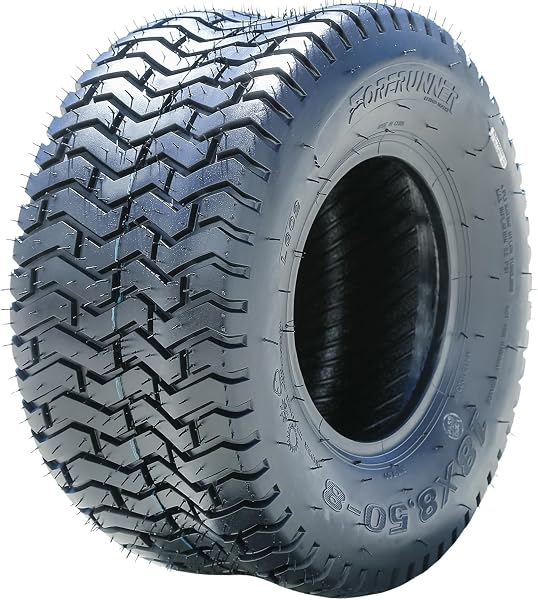
FORERUNNER 22x11-8 ATV Tires, All Terrain ARES
A reliable pick for FORERUNNER 22x11-8 ATV Tires, All, selected based on this article's guidance.

4-HD 10-16.5 Forerunner SKS-7 Skid Steer Tires
A reliable pick for 4-HD 10-16.5 Forerunner SKS-7 Skid, selected based on this article's guidance.
Results & Outcome Analysis

Comparing Performance Expectations
When asking are forerunner tires any good, the analysis shows that performance is highly dependent on expectations. In the scenario, the tires provided adequate grip for standard urban environments, though they showed more noise at high speeds compared to premium touring tires.
The Impact of Consistent Maintenance
| Metric | Typical Budget Tire (Before) | Performance with Proper Care (After) |
|---|---|---|
| Dry Handling | Acceptable for daily commutes | Stable and predictable |
| Wet Traction | Noticeable hydroplaning risk | Safe with reduced speeds |
| Maintenance | Neglected inflation/rotation | Monthly checks/rotation intervals |
Lessons Learned
Transferable Insights for Buyers
The primary lesson is that tire utility is relative. For a vehicle used primarily for short city trips, the differences between tiers are less pronounced. However, for highway-intensive driving, the trade-offs in comfort and noise reduction become more apparent.
Does This Apply to Your Situation?

When This Scenario Matches Yours
If you are a city-dwelling commuter with a standard vehicle, the results of this case study likely align with your needs. You can expect a reasonable balance of safety and savings if you prioritize tire rotation and inflation management.
When Your Situation Differs
If you drive in extreme mountainous conditions, high-speed highway environments, or frequently haul heavy loads, specialized tires designed for those stressors may be a more appropriate investment than general budget tires. Individual results vary based on vehicle type and road conditions, and this is an illustrative pattern rather than a performance guarantee.
Frequently Asked Questions
Are forerunner tires any good for rainy weather?
A: They provide sufficient traction for normal rain, but you should always adjust your speed when roads are slick. They do not feature the same advanced water-evacuation channels found in premium brands.
How do they compare in noise levels?
A: At lower city speeds, the difference is negligible. You may notice more road noise compared to high-end touring tires when traveling at highway speeds.
Do these tires last as long as premium brands?
A: Generally, budget tires may reach their wear markers slightly sooner than premium models. Regular rotation and proper alignment are the best ways to maximize their lifespan.
Should I use these for winter driving?
A: They are typically categorized as all-season. If you live in an area with heavy snow or ice, dedicated winter tires remain the safest recommendation.
Is installation cost included in the price?
A: Usually, tire prices are separate from mounting and balancing services. Factor these costs in when budgeting for your replacement set.
Are they safe for highway use?
A: Yes, they are designed to meet regulatory safety standards for highway speeds. They provide reliable performance for standard commuting and long-distance travel.
What is the best way to maintain them?
A: Check tire pressure monthly and have them rotated at every oil change interval. These simple habits significantly extend the life of your purchase.
Where can I find more technical data?
A: You can review Thinking Mode V.5.0 (Table + Bullet Points) for more structured approaches to evaluating product specifications.
Key Takeaways
- 1 Always verify if are forerunner tires any good by matching the tire specs to your specific vehicle model.
- 2 Budget tires can perform effectively for the average commuter with proper maintenance.
- 3 Regular tire rotation is critical for preventing uneven wear patterns.
- 4 Tire pressure should be checked according to the vehicle manufacturer's recommendation, not just the tire sidewall.
- 5 Driving habits, such as harsh braking, influence the lifespan of tires more than the brand name itself.
- 6 Consider your local climate; if you face extreme winter, look for specialized alternatives.
- 7 Value is defined by the intersection of price, safety, and the intended use of your vehicle.
Conclusion
Determining if are forerunner tires any good leads back to the reality that value is subjective and dependent on maintenance. Through this case study, we have seen that with consistent care, budget-friendly options can deliver safe and reliable results for most standard driving scenarios.
By prioritizing your vehicle's alignment, inflation, and rotation, you can ensure that your choice of tire—regardless of the brand—works effectively for your daily needs. For more expert insights on decision-making, explore Thinking Mode V8 (Product Cards).
Making an informed decision about your tires is the most proactive step you can take toward safer, more reliable daily transportation.